


Soil Testing with the Erin Soil Health Coalition


|
Erica Woods, Communications Manager at Friends of the Greenbelt Foundation, shares her experience at the Citizen Scientist Training held by the Erin Soil Health Coalition on May 22, 2018. |
Last Tuesday, on what I hope was the last cool day of spring, Research Manager Tom Bowers and I joined a few dozen volunteers at Everdale Farm in Hillsburgh to learn about soil testing. The training was led by Ruth Knight as part of the Erin Soil Health Coalition project.

Celebrate Bike Month 2018 by Cycling the Greenbelt Route

From May 28 – June 30th there will be hundreds of bike related events taking place in and around the Greenbelt, including guided bike tours, festivals, art shows, film screenings and more. We encourage everyone to get out on their bike during this month, whether a seasoned rider or first timer. Aside from the clear health benefits, it’s a great way to get to know your community and discover the stunning landscape of the Greenbelt.
Raise a Glass to Greenbelt Brews and Ciders this June

June is a busy month for brewers in the Greenbelt! Ontario Craft Cider Week is on from June 1 – June 8 followed by Ontario Craft Beer Week from June 9 – 17. It's the perfect time to celebrate the growing “craft” scene in Ontario by raising a glass of some of finest quality libations out there.
The Greenbelt's Natural Heritage System Is Essential for Biodiversity
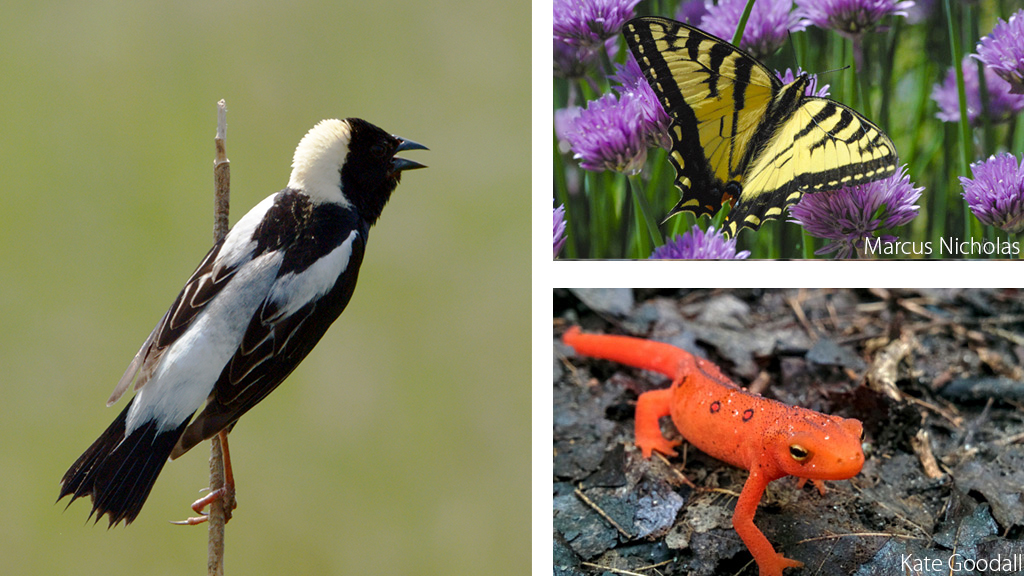
Diversity is what defines the Greenbelt, from its range of habitats to the life forms within them. When people chose to settle in this part of Ontario it was in part because of the richness of the natural heritage systems found here. Now, millions of people call this place home and with such a large population that is only expected to grow, our natural heritage systems are feeling the pressure. Fortunately, through the Greenbelt our natural heritage system are protected from landscape fragmentation, allowing key habitats to survive and providing linkages and landscapes that support a healthy ecosystem for the diverse creatures that call the Greenbelt home.
Celebrating Cootes to Escarpment Paradise on World Migratory Bird Day

World Migratory Bird Day brings awareness and education to the need to protect migratory birds and their habitat – at all different levels, in all parts of the world. Here at the Greenbelt Foundation we recognize the importance of protecting nature for all flora and fauna and strive to work with organizations dedicated to protecting our natural heritage.
Mother's Day Guide 2018

Give mom the best gift this mother’s day – time spent with you! We’ve got some ideas for you to make it easy to plan a wonderful Sunday with your mom!
Our Role in the Public Process
Ontario’s Greenbelt has become a topic of discussion in the provincial election. It has been heartwarming to see so many people discussing the importance of the Greenbelt to the health and prosperity of Ontario and communicating their support for its protection.
New Greenbelt River Valley Connector Program will fund projects to realize the potential of newly protected Greenbelt urban river valleys

TORONTO, April 30, 2018–The Greenbelt Foundation and Park People have launched a new funding program to help connect people and communities to protected urban river valley (URVs) systems throughout the GTHA. The Greenbelt River Valley Connector Program will provide $100,000 in funding, to be matched one to one, to support five or more place-based projects a year that will help people explore, celebrate and enhance their local urban river valleys that are often undiscovered and underused.
Green Infrastructure in Halton Region

Beautiful views from Rattlesnake Point Conservation Area
Every five years, Ontario’s Conservation Authorities release report cards on the health of our watersheds. The report cards all measure forest conditions, groundwater quality and surface water quality, and some include other metrics such as wetland or impervious land cover. Recently, Conservation Halton released their 2018 Watershed Report Card.
The Conservation Authority found that in more urbanized areas surface water quality, and forest conditions ranged from poor to very poor. While in the Greenbelt, “we have better surface water quality, more robust forest cover and lower amounts of impervious cover” says Kim Barrett, Associate Director, Science and Partnerships at Conservation Halton.