


Lake Simcoe Region Conservation Authority
 Greenbelt Farm Stewardship Program
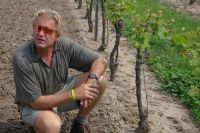
“Farming in a way that looks after the environment is important for the land we work, for our family’s health and for those who live around us. It’s in our own best interest to learn, adapt, and keep up with the times” -Niagara area farmer Martin Schuele
In partnership with the Ontario Soil and Crop Improvement Association, the Lake Simcoe Region Conservation Authority encourages environmental stewardship actions among farmers in the Greenbelt.
Greenbelt Farm Stewardship Program - Phase I: Environmental Farm Plans encourage Greenbelt farmers to share in the protection of the environment, ensuring their farmland, the surrounding Greenbelt countryside and area residents continue to thrive. Led by farmers for farmers, the Plans includes management practices to create energy and water efficiency, protect wetlands, help with proper soil management, correct disposal of farm wastes and improve handling and storage of pesticides as well as a variety of other stewardship activities.
Greenbelt Farm Stewardship Program - Phase II: In response to tremendous interest from the farming community after the initial stewardship program, the expanded program enables more farmers to undertake environmental management projects. From water well protection, energy and water efficiency, to wetland maintenance, soil management, manure control, and farm waste disposal, farmers are innovating to ensure safe methods of food production and natural landscape preservation.
Greenbelt Farm Stewardship Program - Phase I:
$1,400,000 June 25, 2007
Greenbelt Farm Stewardship Program - Phase II:
$1,000,000 June 8, 2009

Royal Agricultural Winter Fair
 Celebrating the Greenbelt at the Royal Agricultural Winter Fair
Over 300,000 people visit the annual fair to see the horse and dog shows, to taste the assorted fare, and to experience urban life transformed into a rural countryside.
The Royal Agricultural Winter Fair has been held since 1922, and is now the world’s largest indoor agricultural fair, celebrating the assorted foods, animals, and farm cultures of Canada.
Celebrating the Greenbelt at the Royal Agricultural Winter Fair 2006-2008: This three-year project introduces the Greenbelt as a prominent theme at the Royal Agricultural Winter Fair, where promotions, exhibits and activities are used to increase understanding and awareness of the Greenbelt, and to showcase its features to the general public.
Greenbelt Childrens’ Activity Books: The Greenbelt Kids’ Activity Book is published, as a fun, informal way for kids to learn about all there is to do and explore in Ontario’s Greenbelt.
Celebrating the Greenbelt at the Royal Agricultural Winter Fair 2009: The 2009 fair continues the tradition of highlighting the Greenbelt through a special Greenbelt pavilion, while the Fair’s restaurants feature “Greenbelt inspired” menus and Greenbelt awards for red and white wines.
Celebrating the Greenbelt at the Royal Agricultural Winter Fair 2006-2008:
$600,000 September 11, 2006
Greenbelt Childrens’ Activity Books:
$40,620 December 8, 2008
Celebrating the Greenbelt at the Royal Agricultural Winter Fair 2009:
$103,685 June 8, 2009
Sustain Ontario
 Growing Food Infrastructure in the Greenbelt
Though food distribution is a major component of Canada’s agri-food sector, with expenditures of $137 billion in 2005, the consolidation of major grocery chains and a lack of local distribution channels inhibits widespread access to local food products.
Bent on closing the policy gap in the local food web, Sustain Ontario builds a healthy and sustainable local food system in Ontario by creating new connections in the web and strengthening local food infrastructure.
While demand for local food seems to be ever-increasing, major infrastructure barriers prevent a local food web in Ontario from becoming fully developed. Sustain Ontario brings together diverse stakeholders from across the food supply and distribution system to create a road-map for success, offering concrete ideas about how to revitalize regional fruit, vegetable and meat processing infrastructure in Ontario.
Toronto Environmental Alliance
 Greenbelting Toronto
The “Greenbelting Toronto” campaign has been successful in encouraging the adoption of a 50% target for local food procurement.
Many Torontonians are not aware of the abundance of resources provided by a healthy greenbelt right outside of their city. In its trademark campaigning style, the Toronto Environmental Alliance (TEA) is working with Torontonians and other organizations to raise awareness and generate pressure on policy makers, to help preserve and grow the Greenbelt.
Greenbelting Toronto: Greenbelting Toronto is the first phase of TEA’s successful Greenbelt campaign, which has successfully lobbied the Toronto City Council to adopt the Local Food Procurement Policy and Implementation Plan that prioritizes Greenbelt-grown food for purchase in City institutions.
Greenbelting Toronto 2.0: Greenbelting Toronto 2.0 build’s on TEA’s successful “Greenbelting Toronto” project to further encourage adoption and implementation of Greenbelt-friendly policies by the City of Toronto. The project focuses on maintaining a stable market for Greenbelt farmers by ensuring the effective implementation of Toronto’s Local Food Procurement Policy, and growing the Greenbelt in Toronto.
Greenbelting Toronto:
$250,000 March 1, 2007
Greenbelting Toronto 2.0:
$150,000 June 8, 2009
Lake Simcoe Region Conservation Authority (Ontario Soil and Crop Improvement Association)
 Greenbelt Green Energy Program for Agriculture
The project offers farmers enhanced cost share opportunities to encourage adoption of energy-saving practices on their farms and promote green energy generation for farm use. The link with the Environmental Farm Plan and its associated cost share program brings immediate exposure and credibility to this project, offering up to a 75% contribution towards selected Best Management Practices.
Niagara Escarpment Foundation
 Reviewing Water Issues Across the Greenbelt
The Niagara Escarpment Foundation spearheads a collective of citizen groups to review regional water issues, and the work needed Greenbelt-wide to address these issues. The project aims to modernize the water policies of the Niagara Escarpment Plan, largely from the mid-1980s, in preparation for the Province’s review of the Greenbelt Plan in 2015.
Ontario Tender Fruit Marketing Board
 CNE Peach Days 2009
The "CNE Peach Days" project involves a giveaway of Greenbelt-grown peaches and peach promotional materials for three days during the 2009 Canadian National Exhibition (The Ex) in Toronto. Visitors enjoy a free Greenbelt peach and receive peach recipe cards, children’s activity sheets and information on where to buy Greenbelt-grown peaches. The Ex is Canada’s largest fair and the fifth largest in North America, with an attendance of approximately 1.3 million visitors each year.
Toronto Environmental Alliance
 Local Food Procurement Guides
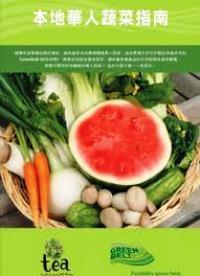
Local food procurement guides are a much needed resources to help public institutions take the first step to integrate local food into their commercial kitchens and encourage the adoption of local food procurement policies by Ontario municipalities, educational institutions and hospitals.
FoodShare Toronto
 From Field to Table
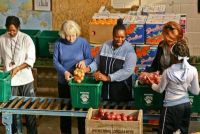
The project has already delivered local food system workshops to over 1400 students, delivered teacher training, and coordinated the second annual Great Big Crunch, with over 29,000 Canadian participants.
With an emphasis on equal access to healthy food, FoodShare Toronto prioritizes healthy eating for children through programs and workshops that emphasize accessible, fresh, local, and healthy foods in schools.
Using their existing distribution network of fresh produce programs, FoodShare Toronto builds awareness and connections to Greenbelt producers. Expected results of the project include an increase in Greenbelt produce sold to Toronto community organizations, schools, and individuals, as well as opportunities for education and recognition of the Greenbelt and its produce.
Local Food Plus
 From Rustbelt to Greenbelt
The food sector is the second largest employer in Ontario after the auto industry, employing more than 700,000 people.
Committed to creating local sustainable food systems, Local Food Plus is stepping in to boost employment in the agricultural sectors of the Greenbelt, as many Ontarians reel from job losses in Ontario’s largest industry, the automotive sector.Local Food Plus (LFP) creates new, green employment built on the Greenbelt’s food and agriculture sector while enhancing agricultural protection. Targeting the Greenbelt regions hardest hit by the loss of auto-related jobs—Hamilton, St. Catharines, and Oshawa—LFP creates local food jobs by establishing local food procurement strategies in municipalities, universities, schools and hospitals.