


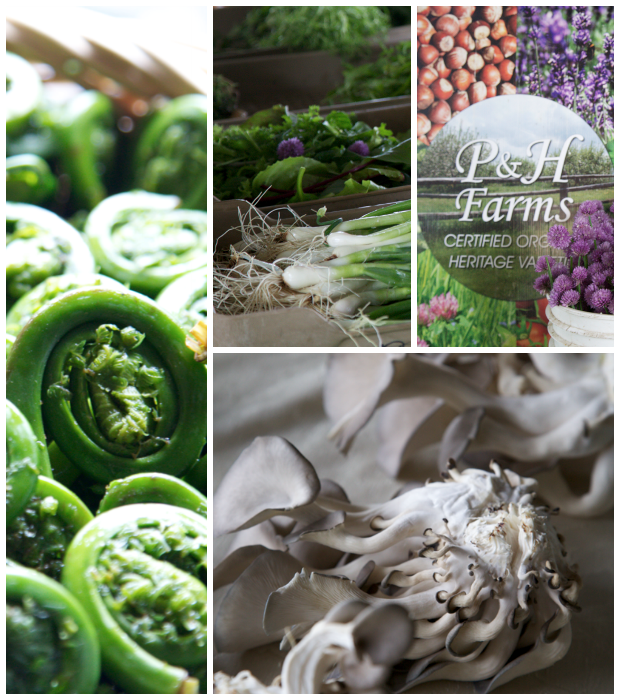
A few weeks ago, I got up to the Evergreen Brick Works Farmers’ Market to enjoy a morning of fresh air, food, and friendly faces. The market was abundant with local Ontario produce: sharp and delightfully crimson rhubarb, soft and sensuous oyster mushrooms, and the last curling whorls of fiddlehead season.
I stopped to survey the produce showcased by the kind folks at P & H Farms. The table was teeming with dewy herbs, glistening beets, and long green onions. I immediately set my eyes on the Moroccan mint and after a jovial exchange mint and I went home.
The Mentha genus, also known as mint, is a well-known family of plants. Many of us are familiar with mint as a flavour, but we may not be as savvy with mint as the hardy and enduring plant.
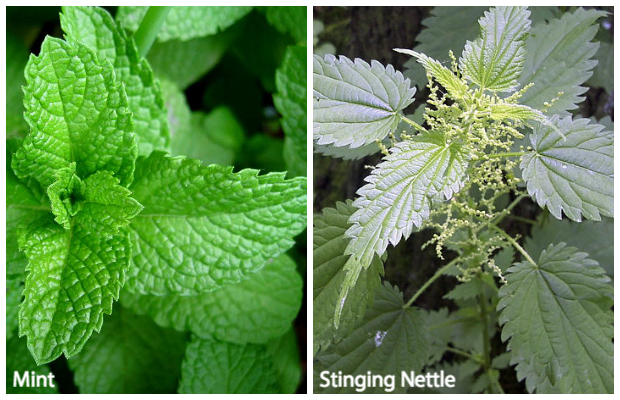
Is it a mint? With many common mints, simply rolling the stem between your fingers is telling enough—its stem is square and strong. Secondly, a peek at the leaves, which grow opposite to each other along the stem, provides an easy cue. And thirdly, plucking a leaf and crushing it will reveal a telltale aroma. Learn some common mints around you such as catnip (a favourite of mine), peppermint, and spearmint. Beware, however, some plants may look like a cheery mint but are most certainly not. Take for example stinging nettle!
I am a regular urban-harvester of mint and also an avid tea drinker. I enjoy collecting dried teas and mixing blends for fun. Thus, I dried my Moroccan mint and enjoyed it just the other day, combining its wakeful flavour with local cedar, lavender, and raspberry leaf. It was perfect!

So, what’s the lesson of the day? Ex-spear-a-mint with a mint. It’s refreshing!
-- Jenny Chan, Communications Assistant
With images from Wikimedia Commons:
- Mint leaves by Kham Tran
- Brennnessel by Uwe H. Friese, Bremerhaven