Greenbelt Foundation
2018–2020 Impact Statements
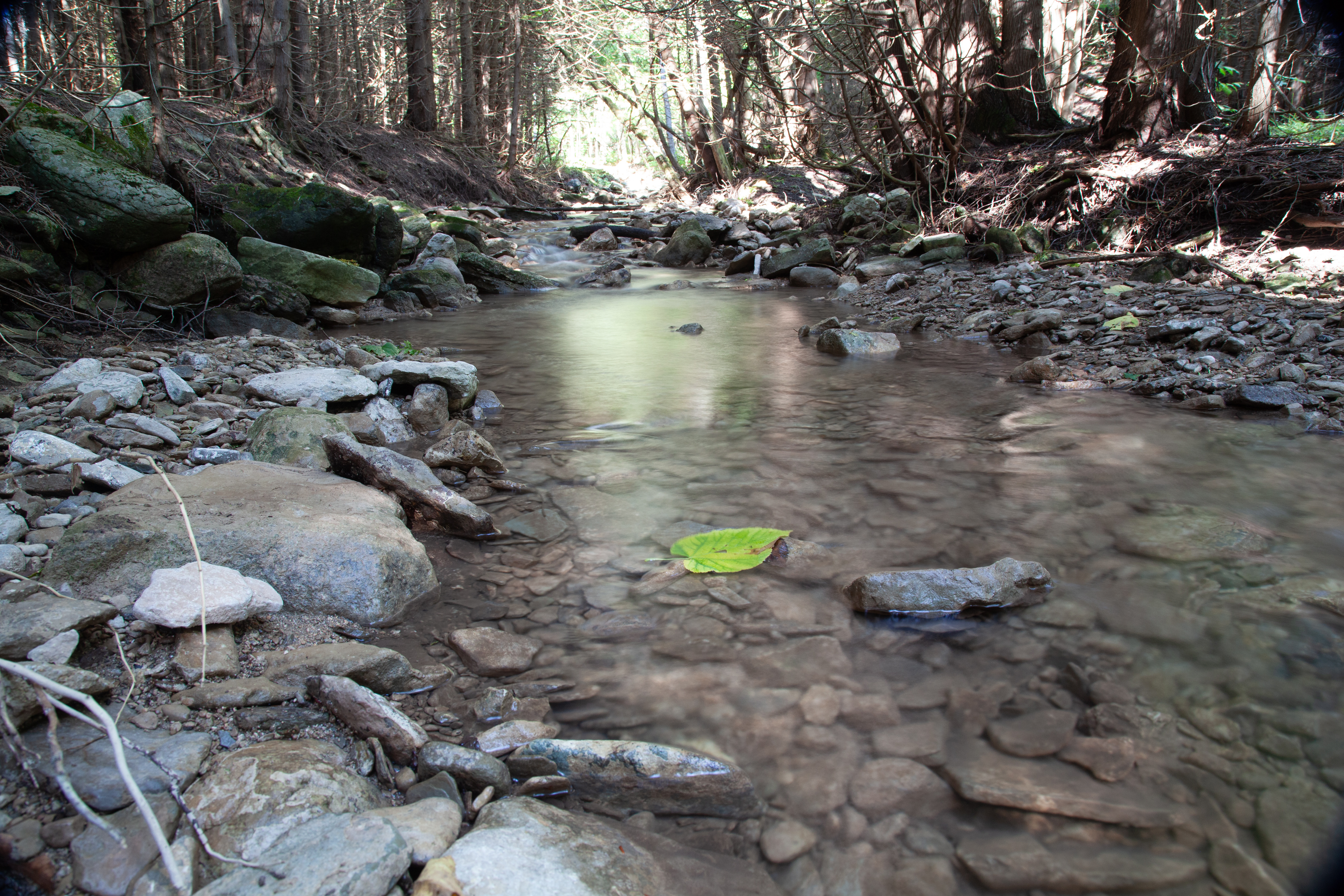
Ducks Unlimited Canada and the Greenbelt Foundation have partnered to support the installation of a naturalized stormwater management system in a new development site in accordance with existing municipal policy and regulations. This naturalized stormwater management pond will become a fully functioning ecosystem that filters and stores stormwater, prevents flooding, and provides important habitat for biodiversity and greenspace for residents. Through this pilot demonstration, the Greenbelt Foundation and Ducks Unlimited Canada are excited to encourage other regional developers and municipalities to also consider naturalized stormwater management solutions to new and existing developments.
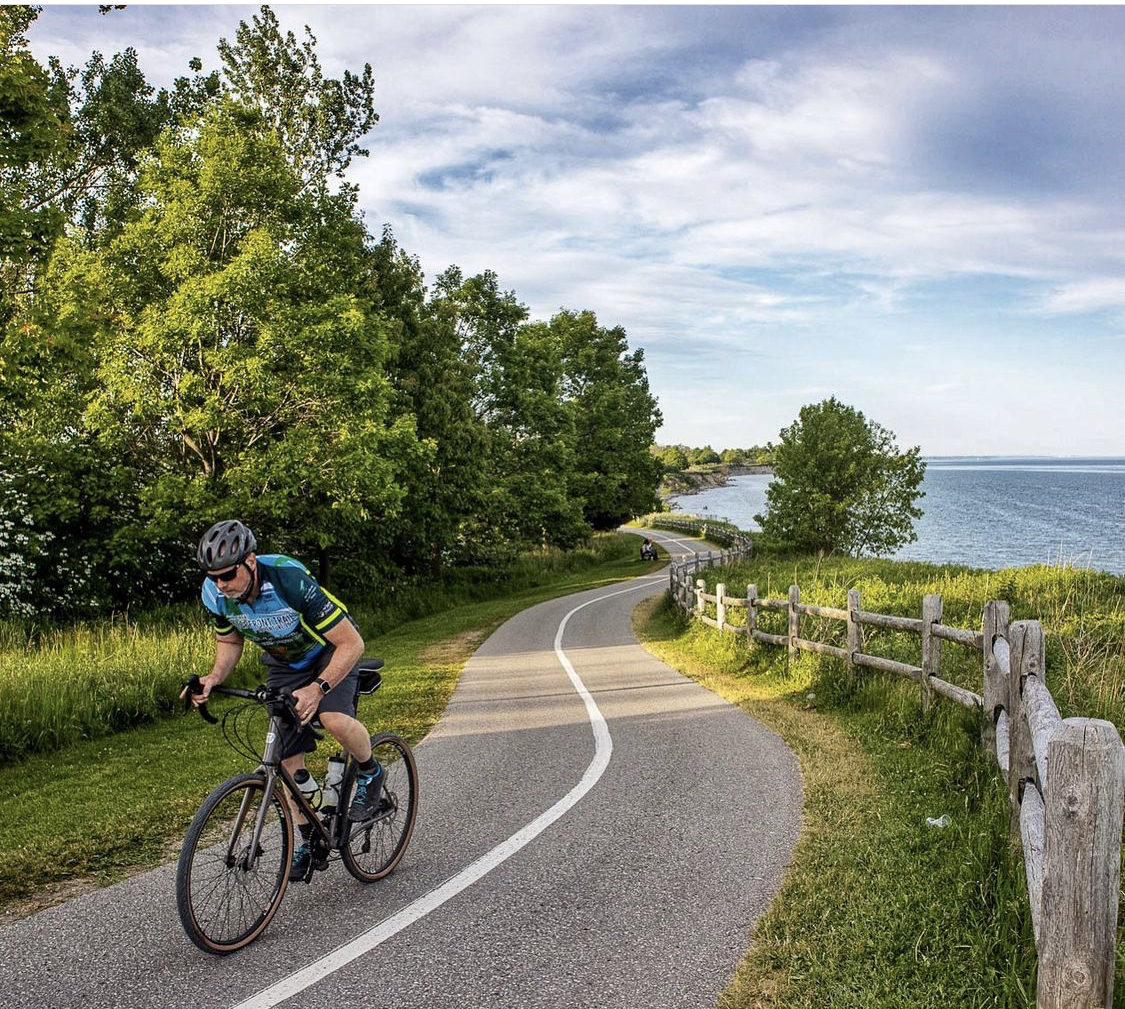
Waterfront Regeneration Trust has been supported by the Greenbelt Foundation since 2012 in creating ongoing development of the Great Lakes Waterfront Trail. The Trail connects the Greenbelt and its trails with 3000 km of broader trails traversing the shores of Lake Ontario, Lake Erie, Lake Huron, and Lake Nipissing. The broader trails also connect 140 cities, towns, and First Nations; 33 provincial parks; three UNESCO world biosphere reserves; 169 beaches; and 21 national historic sites. The route is a dream for cycling enthusiasts and a fantastic opportunity for families and amateur cyclists interested in exploring the varied landscapes and communities of Ontario. This is especially true during the COVID-19 pandemic where the need for socially-distant outdoor exercise is paramount.
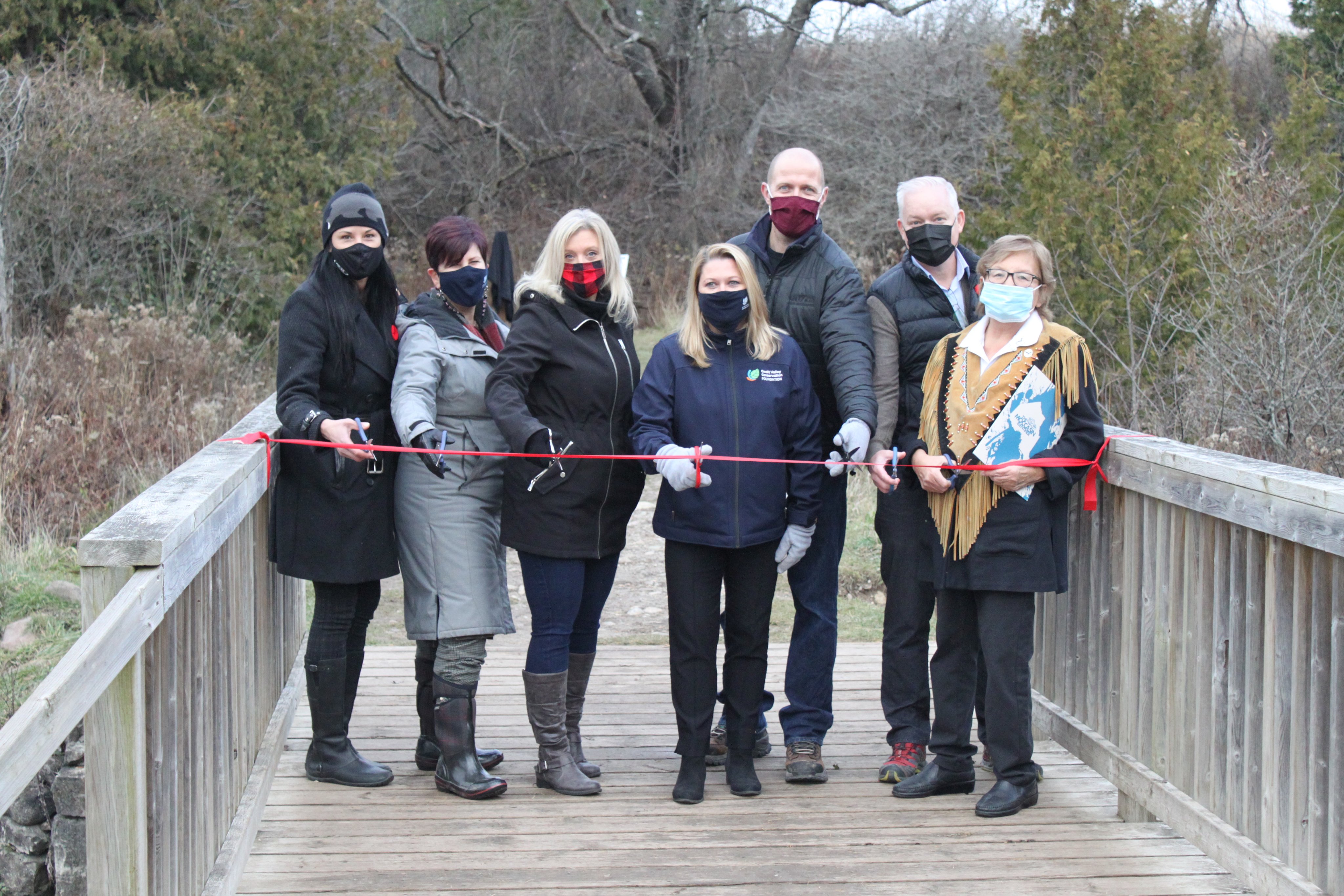
The Credit Valley Trail Experience Plan Development, supported by the Greenbelt Foundation, implemented the 100 km Credit Valley Trail in order to promote tourism and integrate cultural, Indigenous, heritage, and ecological experiences along the banks of the Credit River—one of 21 Greenbelt-protected urban river valleys. Through this project, the Credit Valley Conservation Foundation was able to complete two Experience Plans: an Indigenous Experience Plan; and a Natural and Cultural Heritage Destination Plan. Aspects of an Arts, Culture, and Tourism Plan were also developed. Ultimately, the Credit Valley Trail seeks to change how residents interact with local river valleys in communities and educate a new generation of visitors about the importance of these systems and Greenbelt protection, while also enhancing natural and culture-based recreation and tourism.
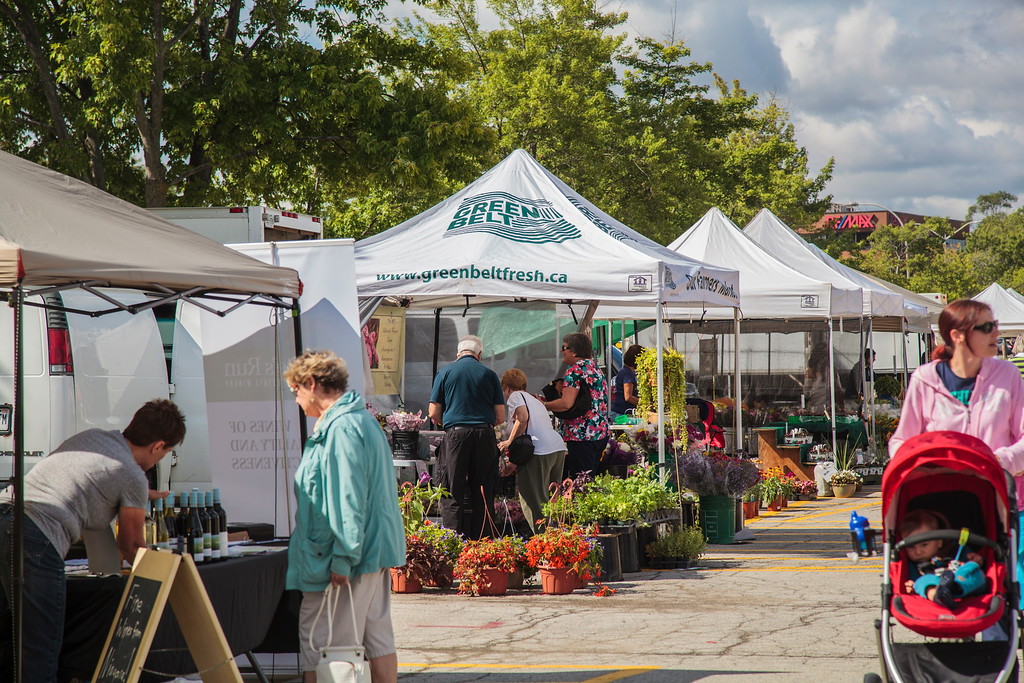
Greenbelt Farmers Market Network went online this year with strategic support from the Greenbelt Foundation. Our local farmers are foundational to our region’s food supply. Over 50% of Ontario fruit and over 10% of Ontario vegetables are grown in the Greenbelt. The Greenbelt is also home to over 70% of our province’s greenhouse capacity. Despite this rich availability of fresh produce, health restrictions resulting from the COVID-19 pandemic meant that farmers markets could not operate as usual this year. In order to ensure fresh local food still made its way to residents and that farmers were able to sustain their operations during this difficult time, the Greenbelt Foundation worked with the Greenbelt Farmers Market Network to create an online pilot project, whereby consumers could engage with their local farmers market virtually, buy food as they normally would, and have it delivered to safe locations. This ultimately resulted in $1.3 million in sales for Greenbelt farmers from August–December, 2020, and supported 570 farmers and vendors.
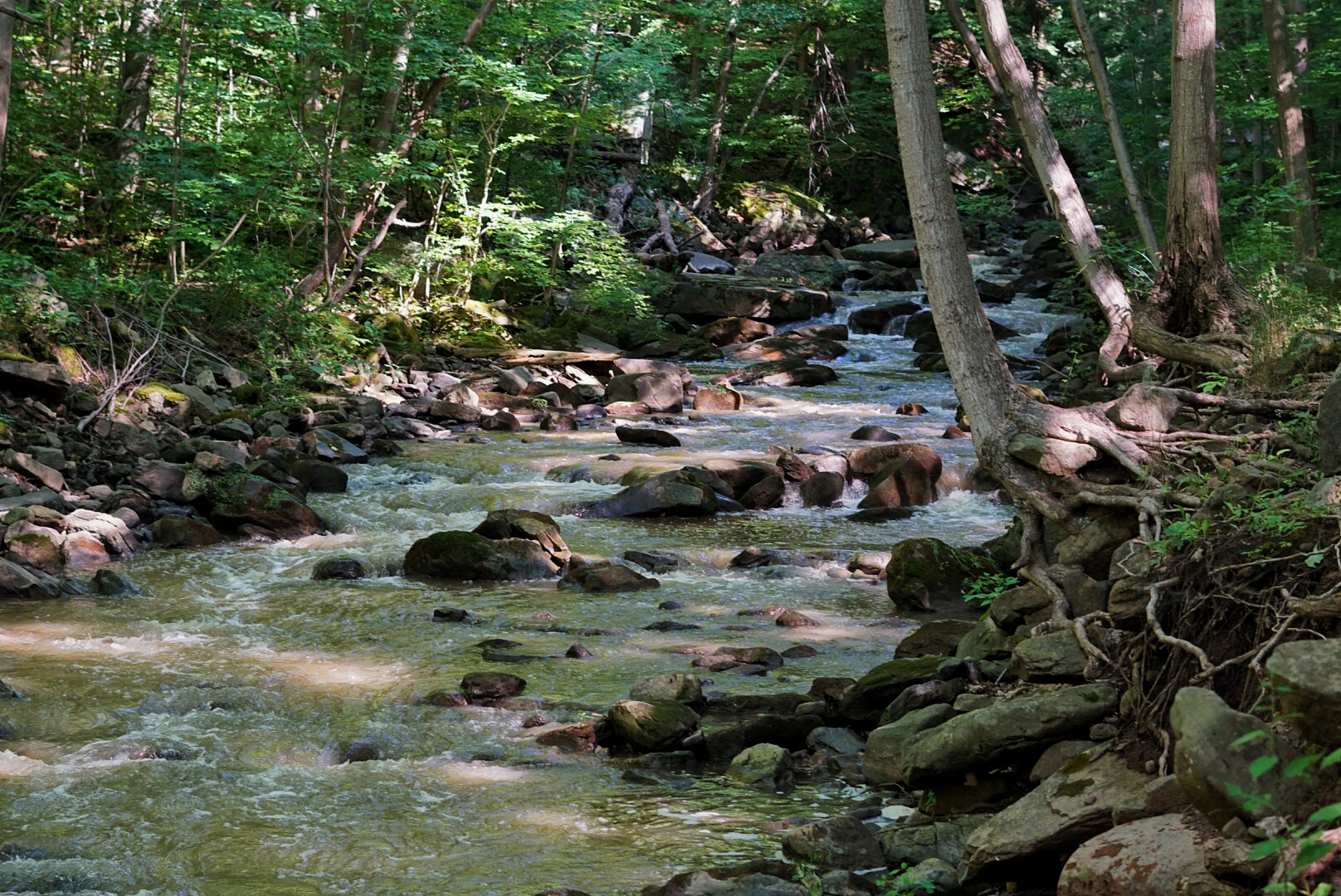
Municipal Natural Assets Initiative (MNAI) and the Greenbelt Foundation are working on a 3- year project that enables Ontario municipalities to invest in nature in order to create better climate resilience, strengthen infrastructure at reduced cost, and protect near-urban natural systems. As a part of this effort, the Greenbelt Foundation and MNAI announced a flagship project in March 2020 in the Greenbelt’s Grindstone Creek. The Foundation and MNAI are currently working in partnership with the cities of Hamilton and Burlington, Halton Region, Halton Conservation Authority, and the Royal Botanical Gardens to create an asset management inventory and plan for the Grindstone Creek watershed. In doing this, local municipalities of Hamilton and Burlington will be able to better manage their watershed’s natural assets, preventing flooding of nearby communities, and minimizing pollution in Hamilton Harbour. On November 30, 2020, the Greenbelt Foundation announced a second round of natural asset inventories in partnership with MNAI thanks to a $400,000 private donation.
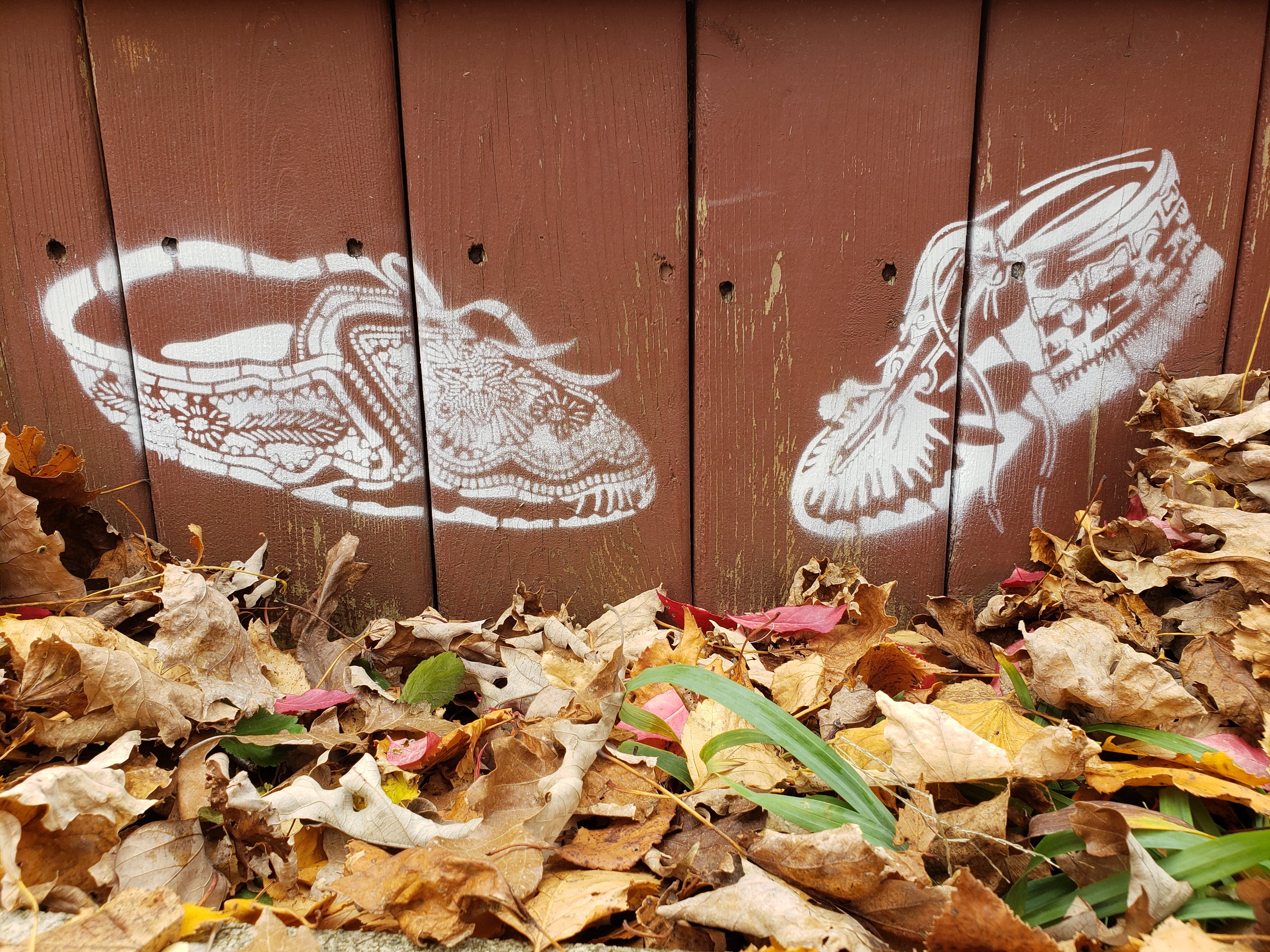
The Moccasin Identifier Project has been keenly supported by the Greenbelt Foundation since 2018 as it works to raise awareness for the current and historical presence of diverse Indigenous communities in the Greenbelt region. The Project installs large representations of the distinct moccasins worn by Indigenous communities to mark sites where First Nations and the Metis Nation have deep, ancestral ties to the landscape. More recently, the Project has created a new promotional video and project brief to support partnerships and help it reach new audiences. As a key part of the Project, a school toolkit was developed with support from the Foundation and launched with local school boards, providing unique Indigenous-education curriculum opportunities and learnings grounded in Indigenous history, culture, and reconciliation.